3 min read
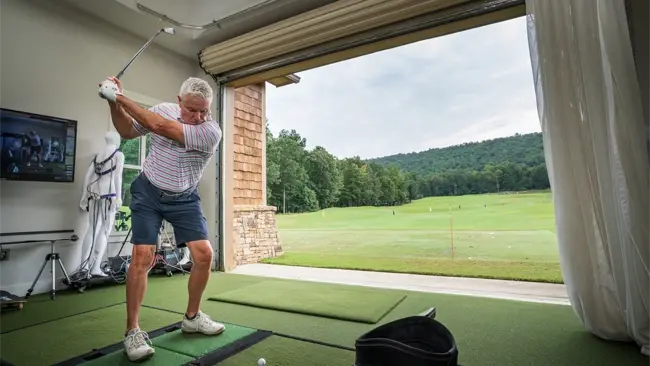
Summer tends to mean more rounds and less practice. Without some intention behind it, scores stay roughly where they started in April.
Brian Speakman, PGA professional at Greystone Golf & Country Club, has seen this pattern enough times to know what breaks it.
We talk through what summer improvement looks like for members at Greystone, from the adult golfer trying to find two hours on a weekday to the junior just learning what the game can be.
Starting the Conversation
The summer lessons conversation starts closer to March. They come out of winter thinking about what cost them strokes the previous season, and by the time the spring event schedule kicks off, most of them already have a plan in motion.
Brian's job in the summer is making sure that plan holds up against real life — because June means lake weekends, kids out of school, and a work calendar.
"You're trying to create a plan knowing, as working adults and parents and all, what's realistic for them over the summer," Brian explains.
Most people tell Brian they have more time than they do, so he builds for that from the start. How the time gets used also depends on the person.
Where the Real Strokes Are
"For adults, it's always the simpler things. They've got to spend more time on setup — grip, posture, alignment, ball position. And then certainly spending more time inside 30 yards, chipping and pitching. That's where they're going to make up more strokes," Brian says.
For members who don't have much practice time but still want to see progress, Brian often takes them on the course. Playing conditions force real decisions, shot selection, course management, and learning what to attempt and what to lay up from.
"We can make some pretty good progress getting them on the golf course, working more on strategy, shot selection, and just kind of learning to play around their strengths and away from their weaknesses," he shares.
The physical side of the game also comes up in that conversation. Brian does mobility and stability assessments with all his golfers, and ties what he finds directly to what's happening in the swing. For adults who feel like they've hit a wall, more lessons aren't always the answer.
“We're losing mobility and strength as adults and we remember how good we once were,” Brian says “That's another area where they need to take advantage of the fitness center and make sure they're able to move the best that they can."
Breaking Through the Ceiling
One pattern Brian sees consistently in adult golfers is that every swing becomes an attempt to fix the last one.
"If you watch a lot of golfers in the way they practice, essentially every swing they make, they're trying to correct the previous swing. These tendencies are all the same. They're not doing much different from one shot to the next. The more we can help them know that, the less they're always searching," he says.
Instead, he helps a golfer get a clear picture of who they are as a player, their tendencies, their shot shape, and how they move. He then manages those traits rather than fight them. Most working adults don't have the time to rebuild a swing, and they don't need to.
Brain explains, "The better we can do at helping them know who they are, how they move, what they do, and how to manage that day in and day out, it becomes much easier on the strategy side on the golf course. That's the biggest thing."
He also tries to keep members from waiting too long to come in. By the time the game feels really broken, there's more to fix. A lighter, ongoing relationship with your pro tends to keep things from getting there.
Building Something That Lasts
The same principles that help adults improve apply from the very beginning and starting early means more time for them to take hold.
The junior program at Greystone runs year-round, split by age and skill level from beginners all the way through high school.
In the summer that means camps and the Junior League, a citywide team competition where Greystone kids play against juniors from other courses around the area. This year there are 30-plus kids on the team.
"We want the kids asking the parents to come back. It needs to be fun, it needs to be low stress until they become more proficient and can embrace the competitive side of it."
The path from there is pretty simple. A kid comes in at six or seven, starts at the beginner level, and moves through the program as they're ready.
"Golf is becoming a cooler sport than it once was. We have to make it fun in the beginning and then they're just kind of working their way up through the programs over the years." By high school, the game is theirs.
For Brian, the throughline is the same — a plan that's honest about time, built around the individual, and designed to keep people in the game.